TL;DR
- AI helps you find and focus on better leads by scoring them based on behavior, so your team spends time on people who are actually likely to buy.
- You can automate repetitive tasks like data entry, follow-ups, and lead qualification, freeing your team up for higher-value work.
- AI works best when all your tools are connected. A disconnected CRM, ad platform, or email tool will hold back your results.
- Top tools like Customers.ai, Aircall, SmartReach.io, and Convoso each serve different channels, so pick based on how your team reaches people.
- AI agents can handle early sales steps on their own, from checking lead fit to booking meetings, without a human doing each task.
- Consent and data privacy are not optional. Only use lead data you collected legally, and make it easy for people to opt out.
AI for lead generation? Is that even a thing? Yes, it is, and it’s also here to stay.
Using machine learning and predictive analytics, AI helps you find quality leads faster and with more accuracy than older methods. When you connect AI to your CRM, it can handle things like lead scoring and outreach on its own.
But here is the problem most businesses run into. Even when companies have the right tools and budget in place, those tools often sit separate from the day-to-day work. That gap is where a lot of value gets lost.
Custom AI integrations can help fix this by building AI directly into your existing workflow, so it actually gets used and makes a difference.
And disconnected tools slow progress. So, how should you address that?
In this article, we’ll review:
- The top tools you can use for AI lead generation, and
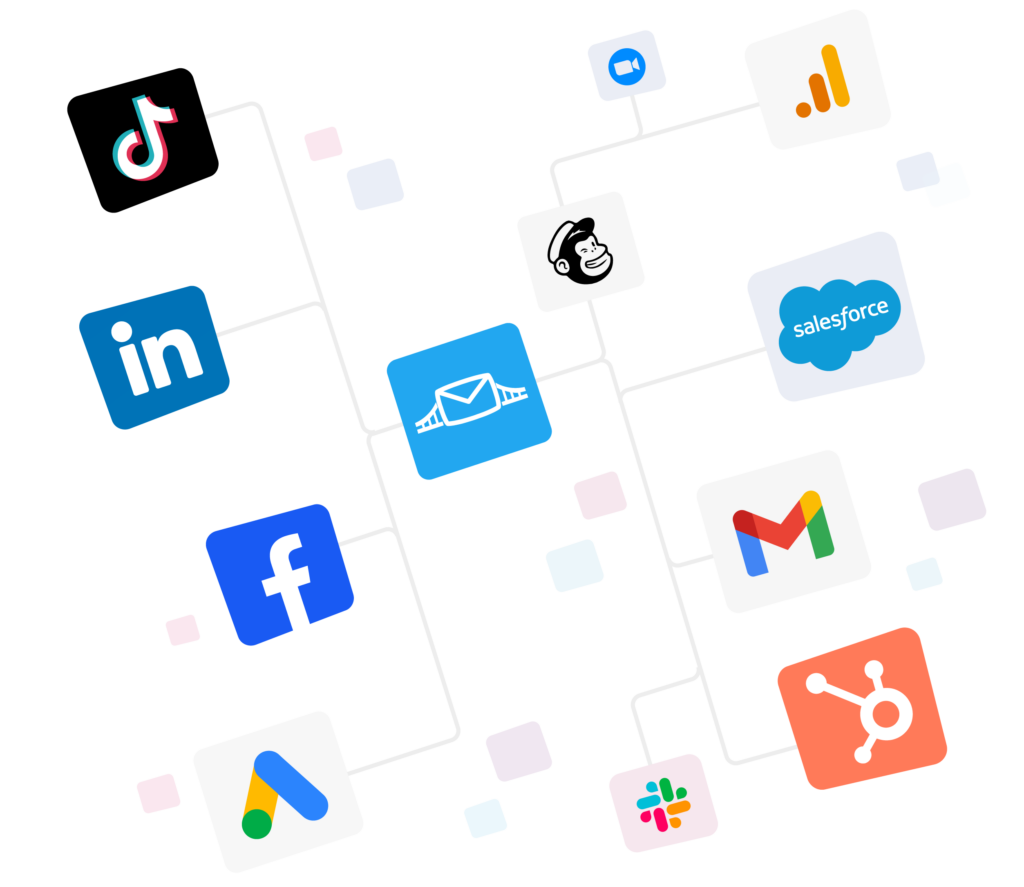
- How LeadsBridge helps unify your systems with lead sync.
For instance, using automated data bridges to keep your process flowing:


Benefits of using AI for lead generation
AI streamlines your lead generation while making it more focused. Here are the top advantages of using AI for lead generation:
Smarter targeting
Instead of reaching out to everyone and hoping for the best, AI looks at behavior patterns and past data to figure out who is most likely to buy. That means your team spends time on leads that are actually worth pursuing.
Time-saving automation
Tasks like data entry, lead scoring, and sending follow-up emails take up a lot of time. AI can handle most of these automatically, so your team can put their energy into work that actually moves deals forward.
More personal outreach
AI can pull from the data you already have, like CRM notes, form fills, and site activity, to help you send messages that feel relevant to each person. Just make sure you have proper consent before using that data.
For this to work well and support more targeted AI lead generation campaigns, your tools need to be connected so your AI always has access to up-to-date information.
An interconnected data stack uses automated data bridges to keep your AI tool always accessing updated data sources.

Higher-quality leads
Targeting generic or low-intent leads will most likely waste your marketing dollars. AI helps you build segmented lead lists based on shared traits and buying signals. That translates to more qualified prospects and fewer wasted efforts.
Easy scaling
As your business grows, you can retrain models and expand automations as volume increases. Most AI tools are capable of handling large volumes of lead data from multiple channels without cutting back on personalization.
How to use AI for lead generation: Top 5 strategies
AI is changing how businesses find and convert prospects. Here are five smart strategies to use AI effectively in your lead generation efforts.
1. Automate lead scoring and qualification
AI looks at how people behave online and uses that data to predict which leads are closest to making a purchase. It keeps learning as new data for AI training comes in, so it gets more accurate over time.
When your tools support open APIs and natural language processing via an orchestrated data stack, your sales team gets cleaner insights and better suggestions to act on.
This allows your sales teams to rely on robust insights and AI suggestions.
2. Build highly targeted lead lists
How good your targeting is directly affects your marketing and sales outcomes. AI helps create detailed customer profiles and segments.
From there, you can run personalized outreach and scale it up as your campaign grows. This could mean tailored emails, targeted ads, or both.
3. Use AI agents and assistants
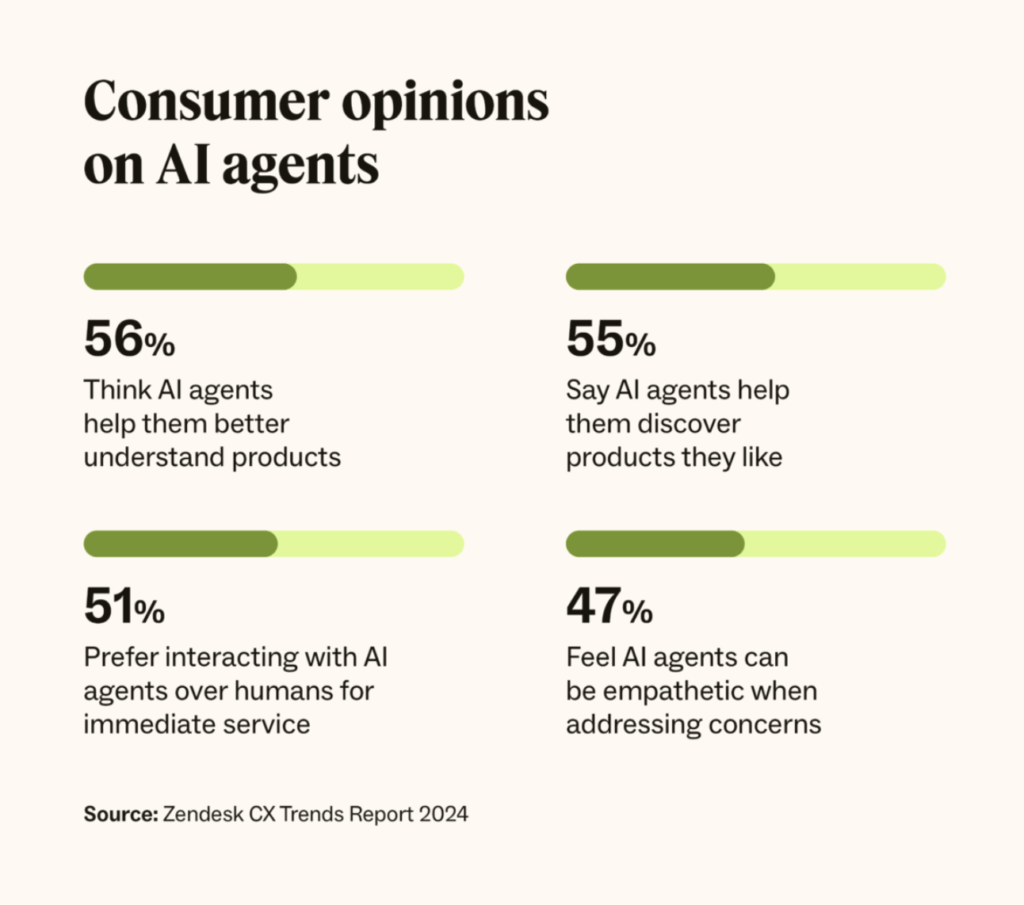
AI agents and assistants have become the go-to for many businesses. And it’s growing on users, too.
Tools like n8n can help connect these AI agents with CRMs, email platforms, and other services, while n8n hosting provides the infrastructure to run those workflows reliably.
You can also use an AI voice agent to answer calls and respond to new leads right away, so no one is left waiting. These tools work across multiple channels and keep leads warm until your sales team is ready to step in.
4. Get data-driven insights for optimization
AI pulls data from across your channels to show you what is working and what is not. It can even pick up on things like the tone of customer replies or the best time to send an email. That kind of insight helps you make smarter decisions and run more relevant outreach campaigns over time.
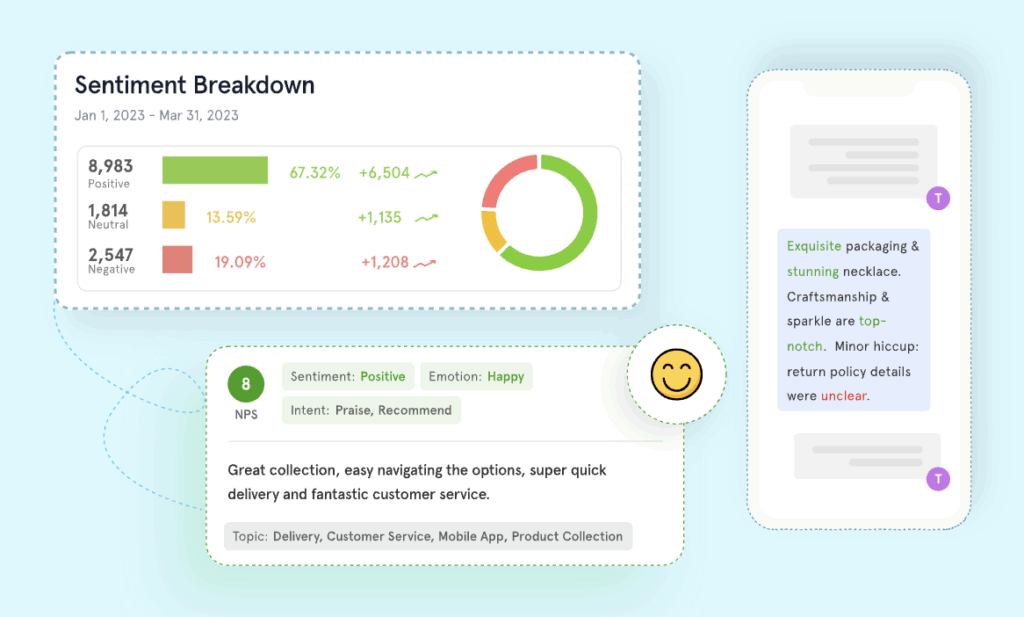
There’s a ton you can do with AI to improve lead source performance and improve the relevance of your outreach campaigns.
5. Better lead nurturing with predictive timing
AI identifies the best time to engage each lead based on behavior patterns and how important they are to your sales pipeline. Then, you can run automated follow-ups and drip campaigns, ensuring messages land at the right time.
This strategy helps keep your leads engaged without overwhelming them.
What not to do when generating leads with AI
AI can speed up lead gen, but it can also create legal, spam, and data messes fast. These rules keep your marketing clean and effective.
Here are the three biggest mistakes to avoid:
How to handle consent and data privacy in AI lead generation
Only use data you collected with proper consent. If you rely on consent to contact people, you should be able to show proof, and people should always be able to opt out.
A simple way to handle this is to add a consent field to your CRM that tracks yes or no, the date, and where it came from. Do not upload leads into ad tools unless that field is clean.
Why you should not let AI send too many messages
Just because AI can write and send messages fast does not mean you should send more of them. Keep your outreach useful and respectful, and always include a clear way to unsubscribe.
A good rule of thumb is to cap sends at two or three emails per week per lead. Pause sequences when someone replies so they do not keep getting automated messages after a real conversation has started.
Why disconnected tools hurt your AI lead generation results
AI only performs well when your CRM, ads, email, and website data are all connected. If your tools are siloed, your AI is working with incomplete information, and your results will reflect that.
Use the same lead ID across all platforms and remove duplicates before you start scoring or messaging. That one step alone can clean up a lot of wasted outreach.
Top five AI tools for lead generation
AI tools can help you find, score, and follow up with leads faster. But each one is built for a different job (calls, outbound emails, chatbots, or website leads).
The best pick depends on how your team reaches people and where your lead data lives.
Take a look at the table below to see how the tools compare first.
| Tool | Best for | What it helps you do | Main channels | Works well with | Watchouts |
| Customers.ai | Finding and segmenting leads from website traffic | Identify high-intent visitors, segment audiences, support outreach workflows | Website to email and SMS (depends on setup) | CRM and marketing tools (varies by stack) | Make sure data collection follows privacy rules and consent |
| Aircall | Sales teams that rely on phone calls | Call routing, power dialing, call insight, and cleaner follow-ups | Phone (calling) | CRMs like HubSpot and Salesforce (common use) | Call quality and training still matter. AI doesn’t fix weak scripts |
| SmartReach.io | Cold outreach at scale | Write and run sequences, automate follow-ups, and manage replies | Email, LinkedIn, SMS, and WhatsApp as well as calling (varies by plan/setup) | CRMs like HubSpot, Salesforce, and Pipedrive (common use) | Deliverability is a real risk if you blast too much too fast |
| HubSpot Chatbot Builder (built from Motion AI) | Capturing leads on your website | Answer questions, collect lead info, route leads to the right team | Website chat | HubSpot CRM (best fit) | If your bot is annoying or generic, it can hurt conversions |
| Convoso | High-volume outbound call teams | Auto-dialing, lead routing, call analytics, and faster connect rates | Phone (calling) | CRM and dialing workflows (varies by setup) | Compliance and call rules matter a lot; bad lists waste time fast |
1. Customers.ai
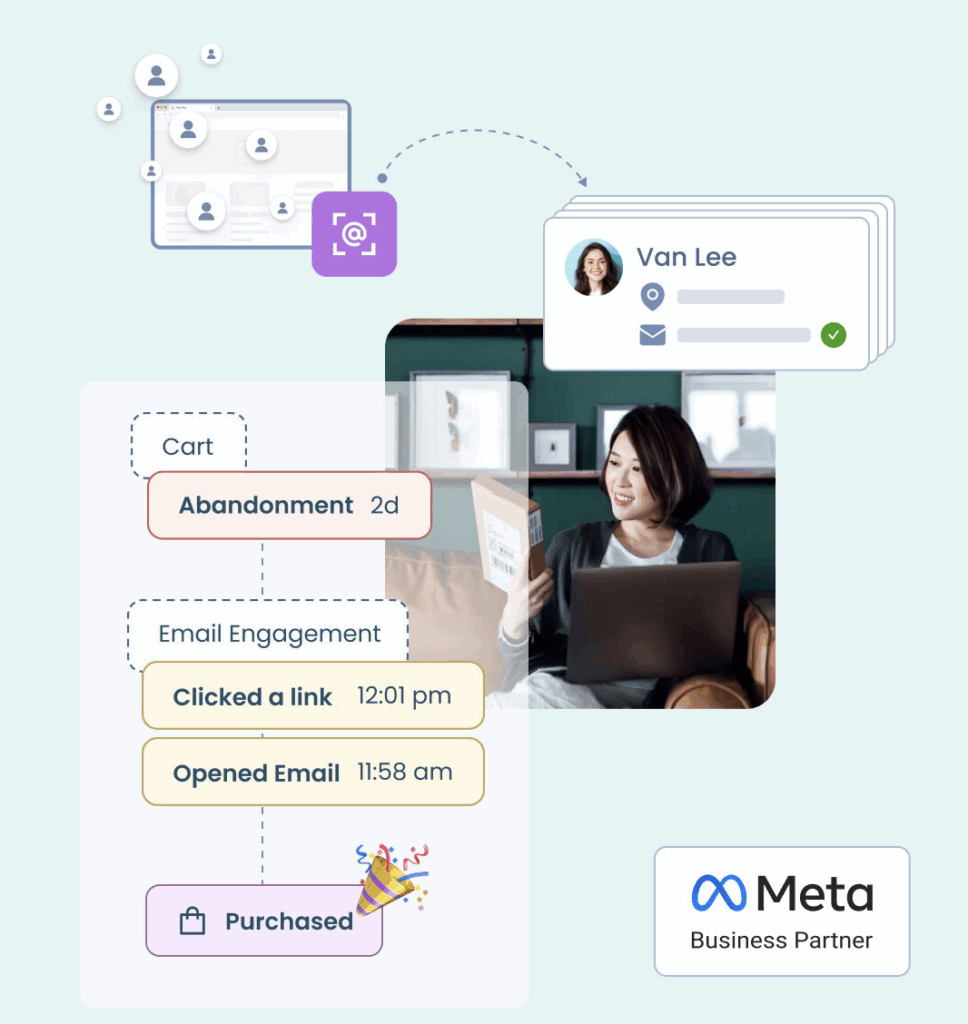
Customers.ai is a versatile platform that handles prospecting, messaging, and lead segmentation all in one place.
This platform is one of the best AI lead generation tools. It helps identify high-intent leads from website traffic, sends personalized outreach through email or SMS, and integrates automatically with third-party tools.
2. Aircall
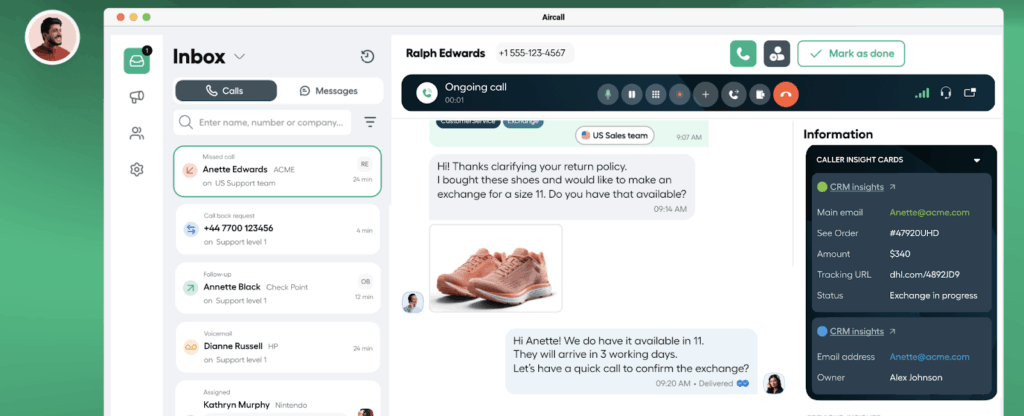
Aircall is a cloud-based phone system built for sales and support teams, and often used as an AI-powered lead generation tool. It seamlessly integrates with CRMs like Salesforce and HubSpot, ensuring call activity and lead data remain in sync.
It has outstanding features like power dialing, call routing, and AI-driven analytics, so your team can manage high volumes of calls while staying organized and efficient.
Paired with automation tools like LeadsBridge, call insights can trigger follow-ups or updates across your sales stack. All the more efficient to turn customer conversations into conversions.


3. SmartReach.io
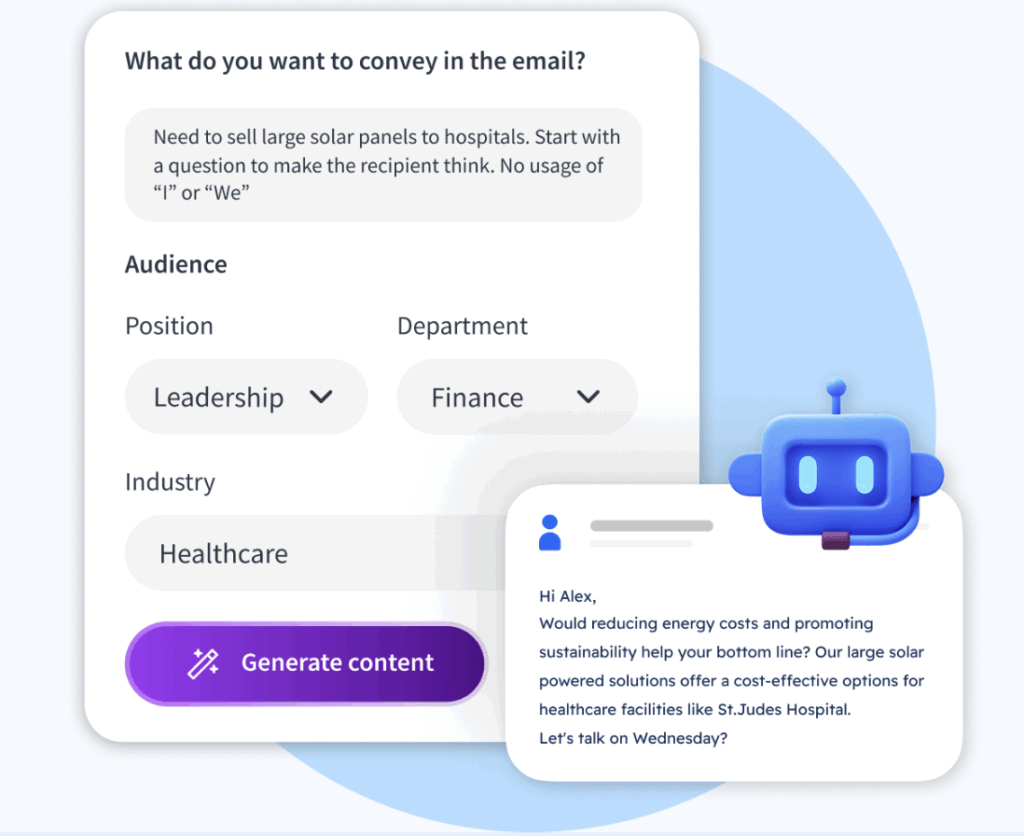
SmartReach.io is a multichannel sales engagement platform designed to streamline cold outreach across email, LinkedIn, SMS, WhatsApp, and calling.
It offers AI-powered tools for crafting personalized email sequences, automating follow-ups, and managing replies through a shared inbox.
Features like inbox rotation, email warm-up, and spam testing enhance deliverability. SmartReach.io integrates with CRMs such as Salesforce, HubSpot, and Pipedrive, facilitating seamless data synchronization.

4. Motion AI (now HubSpot Chatbot Builder)
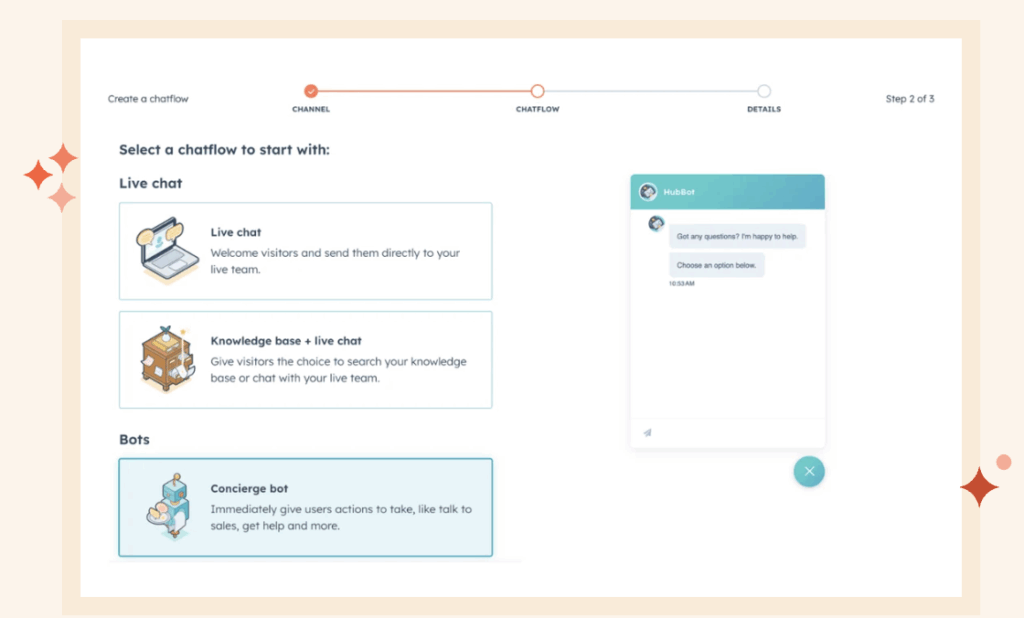
Motion AI, now a part of the HubSpot ecosystem, makes it easy to build chatbots that handle early customer interactions without coding. It also helps businesses engage website visitors, answer questions, and collect lead info automatically.
By taking care of those first conversations, it frees up sales teams to focus on the leads that are most likely to convert.

5. Convoso
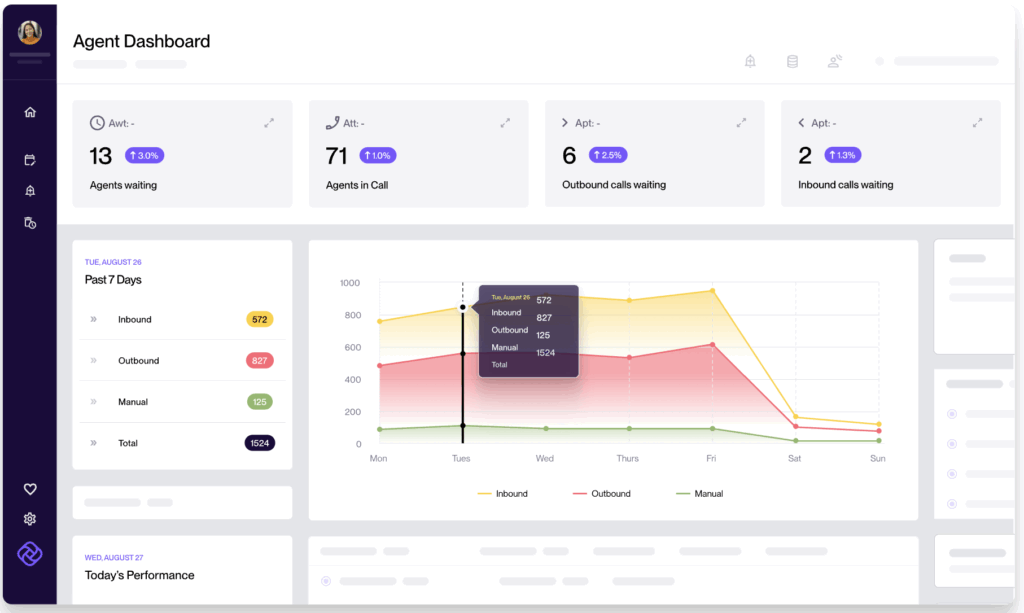
Convoso is an AI-powered sales dialer built to boost outbound campaigns. It offers features like smart lead routing, real-time analytics, and automated dialing to help sales teams connect with more prospects in less time.
With CRM integrations and customizable workflows, Convoso helps ensure the right leads are reached at the right moment. This makes it an even greater fit for high-volume sales teams.

How LeadsBridge can improve your AI lead generation
LeadsBridge helps tie everything together by acting as the link between your AI tools and platforms like CRMs or ad networks. Here’s how the integration helps streamline lead generation:
- Instant lead syncing: Connect your AI tools with your CRM or ad accounts using an easy setup. This means you no longer need to handle manual exports or uploads.
- High-impact lead generation workflows: You can create automated lead workflows that move seamlessly through your sales funnel.
- Automated follow-ups: Using automated data bridges, you can send data to your communication tools and trigger personalized emails, CRM updates, or retargeting ads when a new lead comes in or takes action.
- Maintaining an always-updated data stack: LeadsBridge ensures your systems stay up-to-date with the same lead data across tools, avoiding duplicates and confusion.
- No-code bridge building: With ready-to-use integrations, your team can scale lead gen efforts without writing a single line of code.
FAQs
What is the best AI tool for lead generation?
There is no single best tool for everyone. The right pick depends on how your team reaches people. If your team relies on phone calls, a tool like Aircall works well. For growing your email list at scale, SmartReach.io is a strong choice.
If you want to find leads from website traffic, Customers.ai is worth a look. For teams that want one platform to handle prospecting, email sequences, and CRM syncing together, Apollo.io is a popular option in 2026. The best approach is to match the tool to your main channel, then make sure it connects to your CRM.
What are the top use cases for AI in lead generation?
AI is most useful for tasks that are repetitive or data-heavy.
The top use cases are:
- Lead scoring (AI ranks your leads by how likely they are to buy)
- Personalized outreach (AI writes messages based on each lead’s data)
- Finding new leads from website traffic or databases
- Automating follow-ups so no lead goes cold
- Spotting the best time to reach out based on behavior patterns
These use cases save your team hours each week and help you focus on leads that are actually worth your time.
What is an AI agent for lead generation?
Besides giving you information, an AI agent is a tool that can take action on its own. In lead generation, an AI agent might check a new lead’s details, decide if they are a good fit, send them a first message, and book a meeting, all without a person doing each step.
Unlike a basic chatbot that follows a fixed script, an AI agent can make decisions based on the situation. Think of it as a digital team member that handles the early parts of the sales process so your human team can focus on closing deals.
How can AI help in lead generation for businesses?
AI helps businesses find more leads in less time and with less manual work. It can scan large amounts of data to spot who is most likely to become a customer, write personalized outreach at scale, and keep leads warm with automated follow-ups.
For smaller teams, this means being able to compete with larger sales teams. For bigger companies, it means handling more leads without hiring more people.
The key is connecting your AI tools to your CRM and other systems so the data stays in one place and nothing falls through the cracks.
Final thoughts
Tapping into AI and automation means giving your teams more time to focus on the work that really moves the needle. These tools can help you streamline the busywork, all while saving time and cutting costs.
Creating an interconnected data stack will streamline your lead management process, increase your team’s efficiency, and consequently improve conversion rates.
Discover how LeadsBridge Lead Sync keeps your lead data flowing in real time.