
TL;DR
- Organic list growth through lead magnets, exit-intent popups, and content upgrades consistently outperforms passive signup forms.
- Social media grows your list when bio links and lead-capture posts are tied to a specific offer, not a generic newsletter pitch.
- Facebook lead ads use pre-filled forms that remove friction, but they only work at scale when leads are synced to your CRM or email platform instantly via automation.
- LeadsBridge connects Facebook, Instagram, LinkedIn, and TikTok lead forms directly to your email platform in real time, so no subscriber is lost to manual export delays.
Your email list is the only marketing channel you truly own. It’s the only place in your marketing stack with no algorithm that controls your reach or a budget to keep it running.
So why isn’t every single business getting more out of it?
Most businesses use a generic subscribe to our newsletter form in their footer, collect a handful of emails each month, and then wonder why email marketing isn’t working for them.
The key is to create a lead generation system while having your emails automated.
In this article, we cover why your email list is a non-negotiable business asset, how to grow your email list using five proven strategies, and the tools that make each approach scalable.


Why growing your email list is the most reliable marketing asset you can build
Every channel you use to reach customers comes with its own complexities. For instance, social platforms are always changing their algorithms. Or, paid ads stop bringing results the moment you cut (or sometimes even reduce) the budget.

Your email list is the exception, with no third party standing between you and your subscribers.
Let’s take a look at some stats on how that translates for businesses:
- Segmented email campaigns drive up to 760% more revenue.
- Email generates an average ROI of between 3,600% and 3,800%, and nearly one in five companies goes beyond 7,000%.
- For ecommerce in the US, the average return reaches $72 per $1 spent.
- The addressable audience is also the largest of any channel with 4.37 billion users in 2023, growing to an estimated 4.8 billion by 2027, with 93% checking their inbox daily and 42% doing so three to five times a day.
But none of those returns are reachable without a list worth sending to.
How to grow your email list: 5 strategies with examples
Email lists naturally shrink by about 22.5% every year as people change addresses, unsubscribe, or go inactive. That means list growth is a must for keeping email performance stable.
| Strategy | Best for | Avg. conversion rate | Cost | Speed to results |
| Organic (lead magnets + popups) | All business types | 3.5%–15.2% | Low | Medium |
| Social media | Brand-aware audiences | Varies by platform | Free–Low | Medium |
| Facebook Lead Ads | Paid acquisition | ~7.72% | Medium–High | Fast |
| Automation | Scaling what already works | Up to 25% lift | Low once set up | Immediate |
| Content and partnerships | SEO-driven or established brands | Higher than generic forms | Low | Slow |
Here are five ways to fix that.
Strategy 1: How to grow your email list organically
Organic growth means converting visitors who are already on your website into subscribers, without paid ads. It’s your highest-quality growth channel because those people have already shown interest in what you offer.
The core tools are lead magnets, optimized signup forms, and behavioral triggers.
- Lead magnets
A lead magnet is a specific piece of value you offer in exchange for an email address. 86.3% of marketers with opt-in forms now pair them with a lead magnet.
And those offering personalized or role-specific lead magnets saw 2.7x higher list retention rates compared to those using generic offers.
The formats that perform best are interactive lead magnets like quizzes and calculators, which now convert 70% better than static PDFs.
Checklist titles also perform well because they deliver clear and immediate results.
Adding a lead magnet to a popup doubles mobile conversion from 3.8% to 7.7% and desktop conversion from 1.8% to 4.7%.
- Popups
Exit-intent popups capture 137% more subscribers than passive embedded forms. Also, adding a clear value proposition with a welcome discount or exclusive content increases signups by 42%.
Conversational popups that ask a segmentation question before requesting the email address should be your go-to as well. They can achieve an average conversion rate of 15.2%.
Show your popup after 15 to 30 seconds, or when a visitor has scrolled 50% down the page.
- Landing pages
A dedicated landing page converts 5 to 10 times better than a standard website page because everything on it points to a subscription.
A lead generation best practice is to build one for each lead magnet, with a clear headline and a single form field.
Strategy 2: How to grow your email list through social media
Social media is where your audience spends time. Your email list is where you own the relationship. The strategy is to build a consistent bridge between the two.
Content that offers a specific resource in exchange for a comment, followed by a DM with the download link, works on Instagram and LinkedIn without any paid spend.
Contests where email signup is part of the entry process also work, but only if the prize is relevant to your ideal subscriber.
Use Instagram Stories or short-form video to preview one tip or one section from your lead magnet. Then direct your viewers to the bio link for the full version.
Strategy 3: How to use Facebook lead ads to grow email list
Facebook lead ads use pre-filled instant forms that let users submit their information without leaving the platform.

Because Meta pre-populates the fields with data the user already provided, friction is really low. The average Facebook lead ad conversion rate is approximately 7.72% with an average cost per lead of $27.66.
Your offer, however, must be framed as a clear content exchange. For example, a free guide, a challenge, a discount, or a resource.
Keep the form to first name and email, with no more than three additional custom fields if segmentation requires it. Adding more qualifying fields would naturally reduce the number of leads that go through with it.
Once someone submits a lead ad form, their email address must reach your email platform immediately. Manual export from Meta Ads Manager can give you delays of hours or days. By then, the subscriber’s interest has already moved on.
So what you need is a system that connects Facebook lead ads to your CRM or email platform in real-time for it to work reliably for list growth.


Strategy 4: Use automation to manage your incoming leads and email data
Want to know how to grow your email list? Take some work off your hands so you can think about new, creative ways to nurture your current list. And you can do that by using automation.
You can implement automation in three ways:
Automated emails make up just 2% of total email volume but generate 37% of all email-driven sales. Given that the welcome sequence is sent immediately after signup.
Every minute of delay between the time you capture a lead and the first email decreases open rate, click rate, and the probability of conversion.
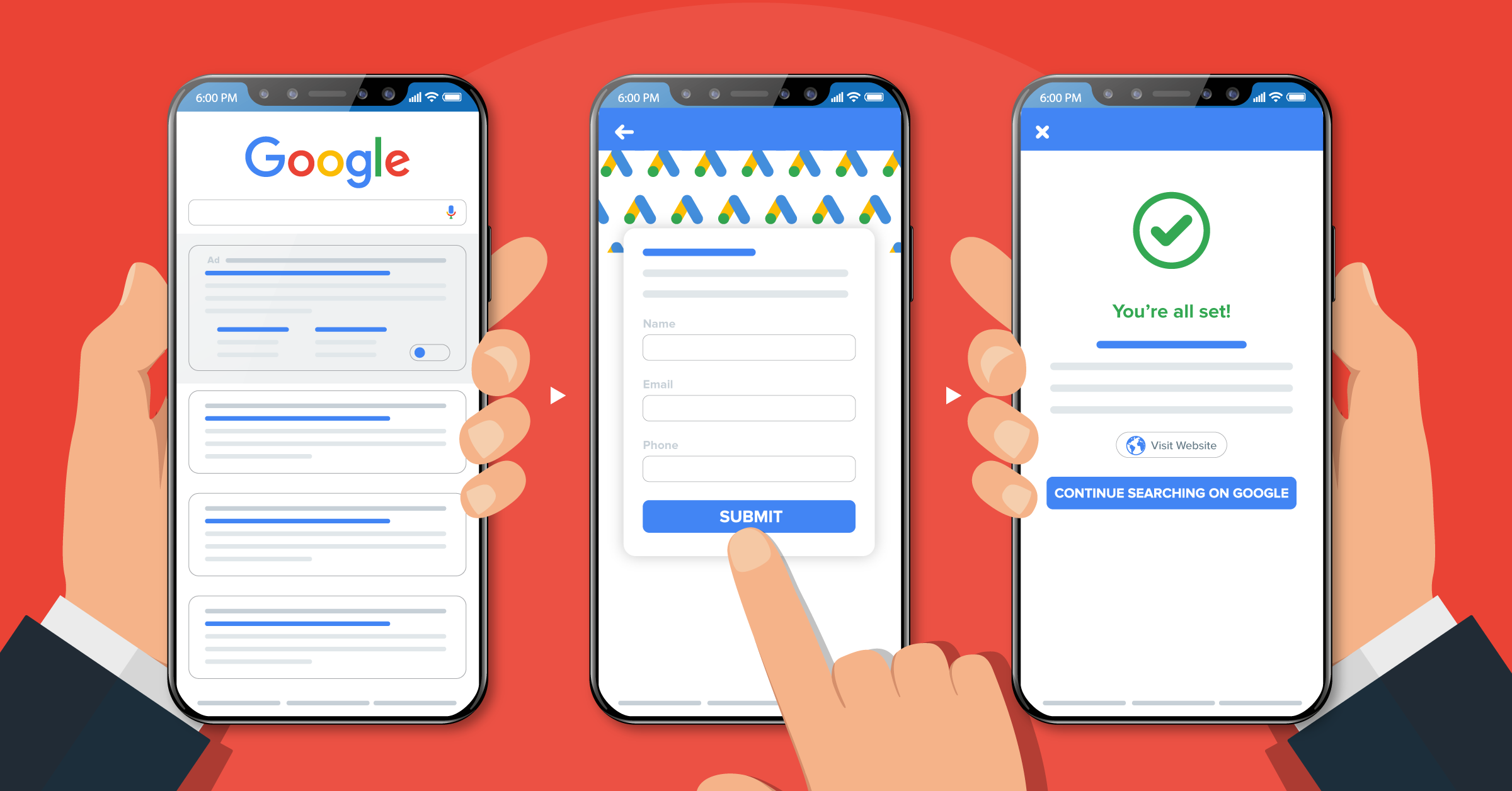
What you need to remove that delay is real-time lead capture sync. LeadsBridge connects lead generation tools like Meta lead ads, LinkedIn Lead Gen Forms, Google Lead Form Assets, and TikTok Lead Generation directly to over 380 marketing apps, email platforms, and CRMs.
When a subscriber submits a form on any of those platforms, their data flows into your email tool instantly. The welcome sequence fires at the moment of highest intent.


You can also choose to be notified (for example, via Facebook email notifications) when setting up these integrations.
There’s another strategic aspect to automation as well. Because capturing the signup is only half the job.
For your own website, use time-on-page triggers to fire popups and inline forms based on specific on-site behavior. For instance, the time spent on a page, scroll depth, exit intent, or pages visited.
Tools like OptinMonster, Privy, and Sleeknote let you build these triggers without code and connect them directly to your email platform.


Browser-based pixel tracking misses a growing share of conversions due to privacy changes and ad blockers. Server-side tracking via the Conversions API closes that gap, sending conversion data directly from your server to Meta, LinkedIn, or TikTok rather than relying on the browser.
Automated data bridges do just that. When a visitor converts on your site, LeadsBridge sends that event back to your ad platforms in real time via their Conversions APIs.


Keep in mind that the CRM you use should make sense for your setup. Here are some examples of how the top CRMs compare:
No matter your tool, CRM data enrichment is your key to actually using the lead data you generate beyond sending emails.
Once you have your tracking set up, your algorithms can then optimize toward real subscribers and buyers, and your custom audiences stay accurate.
LeadsBridge connects your email list directly to Meta custom audiences, Google Customer Match, and LinkedIn Matched Audiences, keeping those audiences updated in real time as your list grows, without any manual syncing.


Automation also lets you use your existing subscriber data to build lookalike audiences on paid platforms, so the people most similar to your best subscribers are the ones seeing your lead magnet ads.
Strategy 5: Use your existing content and partnerships to increase your reach
A content upgrade is a lead magnet tied to a single piece of content. For example, a blog post about email subject lines offers a downloadable 50 Subject Line Templates at the end.
Conversion rates for content upgrades are higher than those for a generic newsletter prompt. Mostly because the offer matches exactly what the reader has shown interest in.
It’s a great idea to partner with complementary businesses to cross-promote to each other’s audiences. A joint webinar, a co-authored guide, or a shared resource bundle lets each partner introduce their list to the other’s audience.
Every webinar you host grows your list with an audience that self-selects based on genuine topic interest.
Here’s an example of the webinar LeadsBridge conducted in partnership with Meta:

Referral programs also work. Rewarding existing subscribers for bringing in new ones consistently produces high-quality signups.
How to grow your email list: FAQs
What are the best ways to grow an email list?
The most effective tactics are lead magnets paired with exit-intent popups, Facebook lead ads with real-time CRM sync, dedicated landing pages, content upgrades on high-traffic posts, and social media bio links pointing directly to a lead capture page.
How do you build an email list?
Start with three things: a specific lead magnet, a capture mechanism like a popup or landing page, and an automated welcome sequence that delivers the promised resource within seconds of signup.
Once that foundation is in place, expand your email list to paid channels like Facebook lead ads and LinkedIn Lead Gen Forms using the same offer-and-instant-delivery framework.
How quickly should an email list grow?
The industry average is around 2.5% net growth per month, with healthy mature lists growing at 1% to 3% monthly.
Since lists naturally lose subscribers through unsubscribes and bounces, any list that is not actively growing is effectively shrinking. So tracking net list size as well as new signups is what really matters.
Final thoughts
What’s the point of a great lead magnet if the welcome email arrives three hours later?
Before knowing how to grow your email list even more, you should focus on a solid system that can nurture your existing ones. That way, optimizing your interactions with new leads also becomes easy.
Your email list compounds in value with every subscriber added. Each one generates returns across every campaign you send from that point forward.
The businesses that grow the best lists do two things: give people a specific reason to subscribe, and make sure the first email lands within seconds of signup.
However, you need automation to connect every lead form on Facebook, Instagram, LinkedIn, and TikTok directly to your email platform in real time, so your welcome sequence fires at the exact moment intent is highest.
Start growing your email list by syncing your leads as they come in.