
TL;DR
- Most travel agencies lose bookings because potential clients can’t find them online, and not because their offers are bad.
- Social media lead generation ads on Facebook, Instagram, and TikTok are one of the most cost-effective ways to build awareness and capture inquiries.
- Google Search ads work best when you target niche terms, such as “destination” and “travel type”, over just “travel agency.”
- Email marketing is still one of the highest-ROI channels in travel when you segment properly and mix value with sales.
- The gap between a lead coming in and your team following up is where most bookings are lost. Automation closes that gap.
- LeadsBridge syncs your leads from Meta, Google, and TikTok directly into your CRM in real time, so you can follow up before someone books elsewhere.
Most travel agencies are online. And the people who’d love to see what they offer are out there planning trips right now. But they’re finding someone else first.
Because most travel agencies are invisible online.
This guide covers the channels that actually help you understand how to advertise travel agencies so you can generate and nurture their leads.
Plus, how to make sure every lead you generate doesn’t go cold before you get a chance to follow up using automated data bridges.


The best ways to advertise your travel agency
Not all channels are worth the resources you have set aside for your travel marketing. Here’s a quick overview:
| Channel | Best for | Effort | Cost |
| Social media ads | Awareness and lead generation | Medium | Low to medium |
| Google Search ads | Capturing high-intent searches | Medium | Medium to high |
| Email marketing | Nurturing leads and repeat bookings | Low | Very low |
| Organic social | Brand building and trust | High | Free |
The three that tend to make a difference for travel agencies are social media advertising, Google, and email. Let’s go deeper on each.
How to advertise your travel agency on social media
Social media is where most travel agencies start and also where a lot of them go wrong. Posting a beach photo and hoping it reaches people actively planning trips isn’t exactly advertising.
Genuine social media advertising means paid campaigns that put your agency in front of people who’ve never heard of you but are already dreaming about their next trip. That, in combination with organic content marketing (aka posting your daily content on your account) as your base.
Meta lead ads

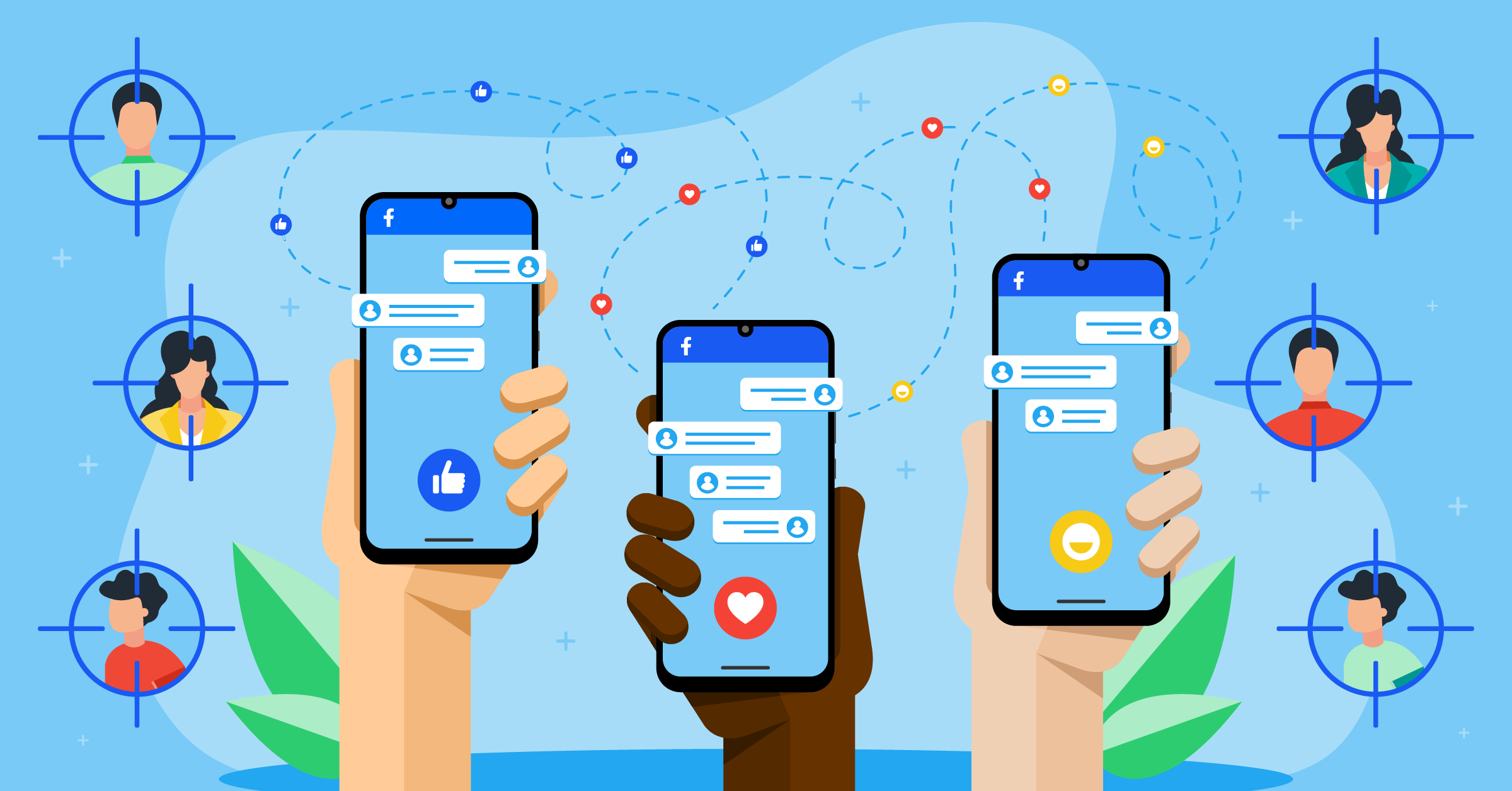
Facebook ads work particularly well for travel. You can target by interests:
- People who follow travel accounts
- Users who’ve searched for flights recently
- Or those who have recently marked an anniversary on their profile
Also, you can target by life events and by location.
The available formats let someone submit their name, email, and destination interest without ever leaving the app, which removes a lot of friction.
The catch is that those leads need somewhere useful to go the moment they come in. A lead sitting in a spreadsheet for two days is as good as lost.
So connecting your lead form to your CRM or email system in real time means you can reach out while someone’s still feeling that wanderlust.
That’s exactly what LeadsBridge’s Facebook lead ads integrations do.


A lot of your audience is also on Instagram due to the aesthetic nature of the platform. That’s why using Instagram placement for your ads, which present the viewers with some Insta-worthy locations, is another great strategy.
However, you still need to manage those leads equally fast, which is possible via automation.


TikTok Lead Generation ads

Lead generation on TikTok is worth testing too, especially if your audience is under 40. Short-form video showing what a day in Santorini actually looks like, or an honest packing guide for Southeast Asia, can drive real traffic.
The platform’s lead generation format mirrors Meta’s. For a full setup guide, check this walkthrough on TikTok lead generation.


The one thing that makes or breaks social advertising for travel agencies is consistency. A modest but steady budget (even $15 to $20 a day) almost always outperforms a big one-off spend.
How to advertise your travel agency on Google
Google is where intent lives. Someone searching “luxury safari Kenya 2026” or “multi-generational Europe river cruise” is no longer browsing. They’re ready to talk to someone, and that’s your moment.
The biggest mistake travel agencies make with Google ads is going too broad. Competing on “travel agency” or “book flights” puts you up against companies with enormous budgets.
Instead, go specific by focusing on:
- Your destination specialties
- Your niche (honeymoons, adventure travel, accessible trips)
- The exact problems you solve that big travel agencies don’t
Google Lead Form ads

Google’s lead gen ads are the perfect match here. They let someone submit an inquiry directly from the search results page using their name, email, and what they’re looking for. They won’t even have to navigate your website.
This means less friction and often a better conversion rate than sending everyone to a generic landing page. Here’s a full walkthrough on setting those up.
Before you spend money on Google ads, get your strategy right. Make sure your landing page actually delivers on what the ad promises. Also, make it easy to take the next step within the first few seconds of arriving.


How to advertise your travel agency through email marketing
Email might feel less exciting than paid social, but it’s still one of the highest-ROI channels in travel. The people on your list have already said “I’m interested.”
So you’re not cold-pitching strangers and instead staying close to warm prospects until the timing is right for them.
The mistake most agencies make is treating email as a pure sales channel. When you do pitch a package, it lands differently. Here’s how to do it:
- Mix in destination inspiration
- Add honest reviews of properties you’ve visited
- Offer early access to limited spots
- Include one or two to real client stories
Segmentation is where email goes from okay to actually working. A retired couple planning a river cruise doesn’t want the same content as a solo traveler doing Southeast Asia on a budget.
Most email tools make this straightforward once your lead data is properly tagged from the start. This is another reason why syncing leads from your ads into your CRM.
Learn more about how to grow your email list here.
Now, how do you actually build the audience segments that feed all of this?
Meta, Google, and TikTok each offer audience and conversion tools that, when connected to your CRM, turn your existing client data into targeting fuel. The problem is that they only work well when you have automated your data workflows and emails.
Manual exports mean stale audiences, missed retargeting windows, and ad spend going toward people who already booked or were never going to.
Meta Custom Audiences

Meta Custom Audiences let you match your existing client list to Facebook and Instagram profiles, so you can retarget past bookers or exclude them from cold acquisition campaigns. Without a live connection to your CRM, the list goes stale quickly, and your targeting starts working against you.

Meta Conversions API

The Meta Conversions API passes conversion data directly from your server to Meta, bypassing browser tracking that gets blocked by ad blockers and iOS privacy changes.
Connecting it to your CRM means Meta can see which leads actually became bookings and optimize your campaigns toward the people most likely to convert.


Google Customer Match

Google Customer Match uploads your client data so your ads can reach existing contacts across Search, Gmail, and YouTube.
Keeping that list updated automatically means you’re retargeting real past bookers and suppressing people who’ve already converted, rather than paying to reach them again.

TikTok Custom Audiences and Conversions

TikTok’s Custom Audiences and Conversions API let you build retargeting pools from your client data and pass conversion signals back to the platform so it can optimize toward people who actually book.
A live CRM connection keeps both updated without any manual work on your end.


This guide covers lead generation fundamentals if you want a framework to start with and optimize it as you go.
How LeadsBridge helps travel agencies turn ads into bookings
The gap between a lead coming in and someone following up can cost you a lot of money. 78% of customers buy from the first business that responds. Are you gaining or losing a customer there in that gap?
A prospect fills out a Facebook lead ad or submits a Google inquiry. It gets manually downloaded from the platform, forwarded by email, and picked up a day or two later. By that point, they’ve probably booked somewhere else.
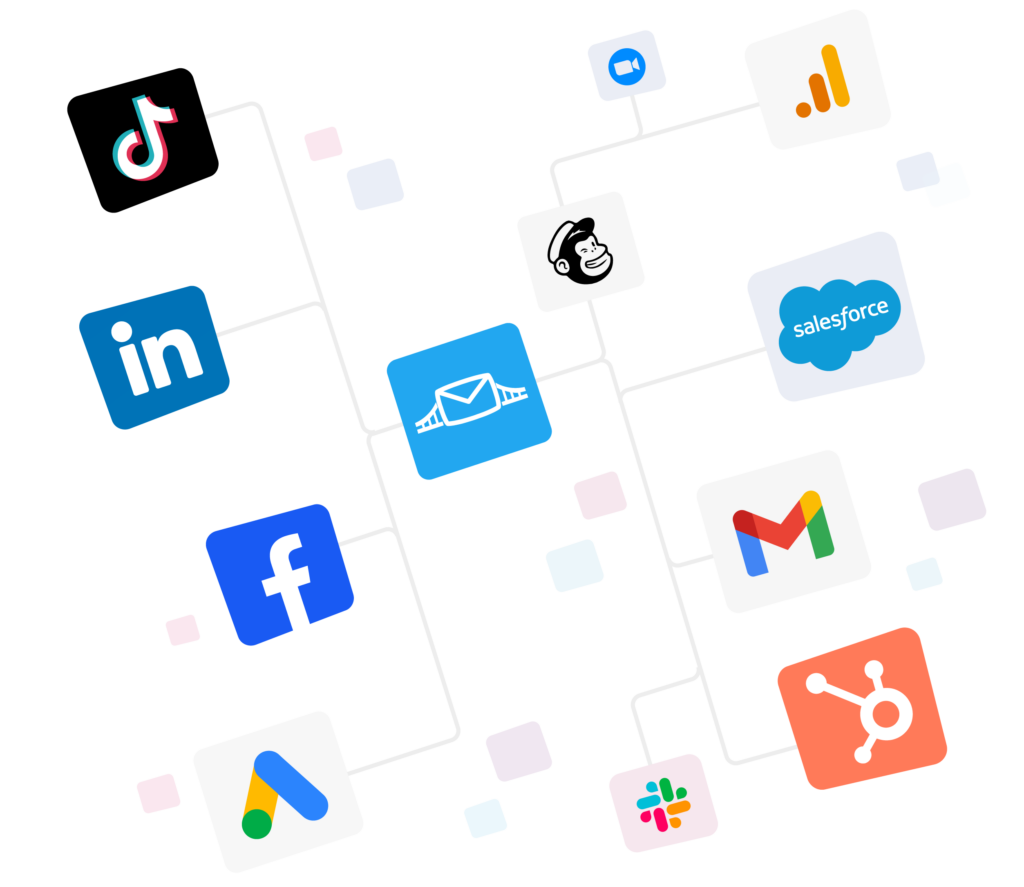
LeadsBridge connects your ad platforms directly to your CRM, email tool, or booking system so leads sync the moment someone submits.
You can also sync your existing client data back to your ad platforms to build lookalike audiences from your best bookers, or retarget past clients with offers timed to their next likely travel window. If you get these right, they can make your ad spend go further without spending more.
FAQs
Pick one or two channels and do them consistently. A Google Search campaign for your niche, plus a Facebook or Instagram lead generation campaign, covers both intent and discovery.
Set up a fast follow-up before you launch. Speed of response matters more than most agencies expect.
Most agents who book consistently run a mix of paid social, Google Search ads, and email marketing, supported by referrals and word of mouth. Niche and luxury agents also lean on content such as blogs, videos, and client stories to build trust before someone commits to a booking.
A common starting point is 7% to 8% of your revenue, per U.S. Small Business Administration guidance. For a small agency turning over $100,000 a year, that’s roughly $600 to $700 a month across all channels.
The more useful question is return, which you can track through your cost per lead and cost per booking.
Final thoughts
You can run great ads, pick the right channels, and write compelling emails and still lose the booking. But how to advertise travel agencies in a way that actually works?
A 2026 benchmark study found that companies responding to leads within five minutes convert at 21%, while those taking 24 hours or more convert at just 2.3%. The median response time across businesses? 42 hours. And that’s not a small gap.
For you not to be among those, you need to make sure your leads flow directly from your ad platforms into your CRM or email tool the moment someone submits, so follow-up happens automatically.
Explore LeadsBridge’s travel software integrations here.