
What exactly is digital marketing, and what benefits does it bring to an offline business like a car dealership? The answer is rather industry-specific. But there is some common ground for every business when it comes to digital advertising.
And you can succeed if you are equipped with the right skills to engage meaningfully with your audience. Besides, having a deep understanding of how your marketing strategies perform can significantly benefit your organization.
The automotive industry continues to shift gears towards more dynamic and data-driven advertising strategies. In 2026, automotive businesses must stay ahead of the curve in leveraging digital tools to be able to reach their target audiences effectively.
This article provides all the insights into digital marketing that you might have been hesitant to ask about. Anything from upcoming trends, strategic approaches to using advertising platforms like Facebook to advertise your car dealership, to automation solutions that can boost your automotive digital advertising, such as:


What is automotive digital advertising?
Automotive digital advertising refers to online marketing efforts used by automotive businesses to promote their products and services. This includes a wide range of activities, such as:
- Displaying ads on digital platforms
- Using social media
- Running email marketing campaigns
- And engaging potential customers through personalized content.
The aim here is to grab the attention of likely car buyers and service users and turn them from visitors into customers.
However, dealers should know how each advertising channel contributes value to their overall media strategy. Only then can they make sure that every tactic affects the bottom line.
Automotive digital marketing trends for 2026
Leaders in the automotive industry often use our trend analysis to spot important trends and get ahead of the competition.
They use this information to create a plan that more closely links their sales, fulfillment, and financial processes. This will help them work more effectively.
Here are the top automotive digital advertising trends for 2026:
Increased use of Artificial Intelligence
AI continues to be a hot topic in any industry, including automotive digital advertising. Dealerships can benefit from technologies like chatbots and personalized recommendations based on user behavior.
This could bring a ton of advantages.
More video content
Video marketing has dominated the stage for a while now, and continues to do so. Take Facebook’s video ads, for instance. This format lets you provide vivid vehicle previews and immersive virtual test drives that engage automotive customers more effectively than traditional photos or text-based content.
How do they exactly compare?
Recent data shows a big age gap in ad engagement: 38% of Gen Z vs 14% of Baby Boomers say they’ve encountered (and are thus exposed to) interactive “gamified” ads.
And relevance matters across shoppers: 76% of consumers say they’re more likely to pay attention to ads that feel relevant.
Another report says that personalized video can drive click-through rates up to 16× higher, and that using video in email can raise open rates by about 6% and reply rates by about 26%.
Focus your creative on real shopper questions
In 2026, creative often does the targeting. If your ad clearly signals what it’s for, the platform can learn who responds.
Here are the formats that are trendy at the moment:
- 15–30 second walkarounds
- Price and offer callouts (with clear terms)
- Trade-in messages ( something like ‘Get an estimate in minutes’)
- Service specials (such as ‘Brake special this week’)
Keep it simple and have only one idea per ad.
Automotive digital marketing that’s mobile-friendly also allows for analysis and customization that meet the specific needs of your customers. So, optimizing for mobile is a must-have in 2026.
Heightened focus on sustainability
There’s a buzz surrounding fuel-efficient cars and alternative fuels. Growing concerns about climate change and responsible resource usage drive this trend.
Crafting ad content that showcases your brand’s commitment to building a greener future is an excellent strategy for appealing to environmentally conscious consumers.
Use automotive PPC advertising
In 2026, PPC (Pay-Per-Click) advertising will remain very important for car dealerships that want to be seen more online. You can pay per click or per 1,000 impressions, depending on your settings. With the right tweaks, you can make this channel into a budget-friendly way to bring more people to their websites.
PPC on Facebook is a popular way to advertise. You create a visual ad campaign and pay for clicks or impressions. Since ad creative is what grabs attention in a crowded feed, many advertisers use a photo editor to polish product shots and design eye-catching visuals before launching a campaign. Even if you’re new to paid ads, Facebook makes it easy to create, target, budget, and analyze your campaigns.
Here are some interestingstats for Facebook ads in the automotive industry:
- The average CPC (cost-per-click) for automotive ads is $2.24, thanks to the competitive nature of automotive advertising on Facebook.
- The average conversion rate for automotive ads is 5.11%. This says that a good portion of users who click on these ads take the desired actions, like filling out a form or making a purchase.
Use tools like WordTracker and Google’s keyword planner to pick the best search terms, which could help reduce your ad costs. A Google Search API can also help dealerships analyze search result data at scale, validate keyword opportunities, and better understand how potential buyers search for specific vehicle models and services.
New cars usually sell for a lot. Getting this right can really pay off. Also, by using different platforms like search engines, social media, and YouTube, dealerships can make sure their ads reach the right people.
That’s why automotive PPC advertising makes their digital campaigns even more effective. Learn all you need to know about PPC automation here.
Automotive digital marketing strategies you need in 2026
Digital marketing can make the hard process of selling cars easier. However, dealerships need to understand how automotive digital marketing works.
Additionally, they need the right tools and strategies for online marketing to be successful. Let’s go through the top strategies that can create a robust foundation for your marketing.
1. Using Facebook ads for automotive
Facebook remains a powerful tool for automotive advertising. It offers dedicated solutions that allow dealerships to target users based on demographic, geographic, and psychographic data.
Meta says, “Many auto brands have successfully grown their businesses using lead ads on Facebook and Instagram. We’ve developed a set of features that can better serve the needs of automotive brands.”
When it comes to automotive digital advertising, lead ads can also be customized to showcase new models, promote special deals, and highlight unique dealership services.
Besides lead ads, Facebook’s automotive ads are a more tailored option. They use intent signals across devices to automatically showcase relevant vehicles from your inventory with distinctive creatives to users.
For a deeper dive into crafting effective Facebook automotive campaigns, check out this guide on advertising your car dealership on Facebook.
2. Creating data-driven audience targeting
TaTargeting the right audience means lower ad costs and better conversions. You can achieve this by using data-driven insights to create precise customer profiles.

Depending on your campaign, these targeting tools work differently. And you’ll still need to furnish Facebook with enough data so it can help you target the audience you are interested in more accurately.
With all the data restrictions and heavy observation of data collection, your best bet is to focus on first-party data that is the info you collect directly. This includes leads, service customers, website events, and CRM records.
Here’s what you need to do:
- Upload CRM lists for customer audiences (using automated data bridges).
- Create lookalikes or similar custom audiences from your best customers.
- Separate service customers from sales leads so your ads stay relevant.
All this helps you spend less on “random clicks” and more on likely buyers.
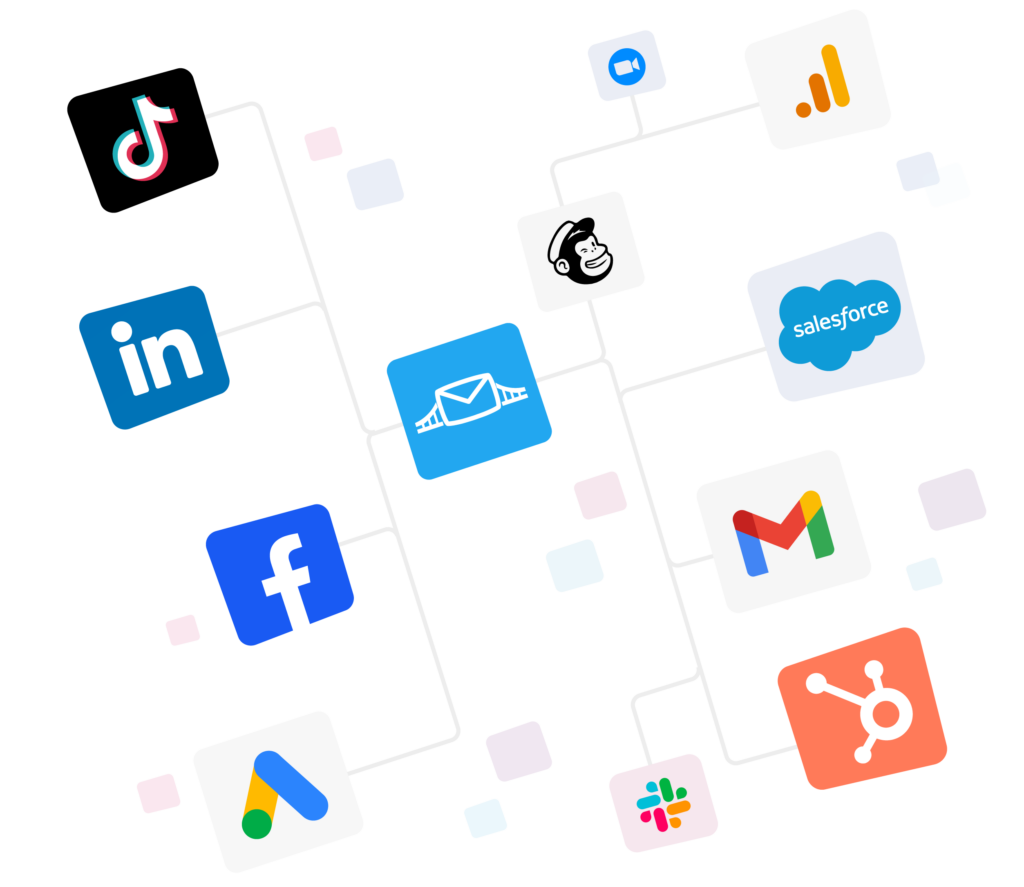
LeadsBridge integrations help automotive businesses connect their CRM to Facebook and, thus, create a constant and automated data transfer between the two.


3. Use AI, AR, and other technologies
Interactive experiences have been a huge success in automotive digital advertising. They basically allow consumers to connect with cars in new, engaging ways.
You can create interactions through mobile apps and online configurators to let potential buyers personalize their vehicle choices.
Also, incorporating Virtual and Augmented Reality allows shoppers to explore cars and take virtual test drives from their homes. Top advertising platforms have caught up with this trend and offer exceptional solutions like website-based 3D and AR.
You can further boost your strategy by live-streaming product launches and creating interactive video content that details car features. Also, don’t forget to automate your communication and schedule lead management to improve your customer satisfaction with integrations like:ke:

4. Accurate conversion tracking
Tracking the impact of online ads on both online and offline sales is important. You need to measure how effectively your online advertising leads to sign-ups, appointment bookings, showroom visits, and, finally, vehicle purchases.
These insights can be the deciding factors in creating strategies for your future campaigns, improving the performance of existing ones, and boosting your ROI.

While cookie-based tracking is more restricted than ever before, using tools like Conversions API is a great way to track user behavior. Once you set up your Meta Pixel, Conversions API can help target automotive ads to users who have visited your website or app.
Using automated integrations, you can tell Meta whom to target based on their intent, behavior, and actions. Using this data, automotive ads can effectively target potential customers likely to convert by showing personalized ads to those who have viewed specific cars or entered payment details.


Do you target EU buyers? Here’s what you should know:
This has become even more important with new restrictions in place. Starting January 2026, EU users can choose less personalized ads on Meta, which can reduce how well hyper-targeting works.
5. Creating highly targeted campaigns using automation
Automation is key to maximizing efficiency and effectiveness in digital advertising. LeadsBridge offers specialized integrations for the automotive industry that connect your advertising campaigns directly to your CRM and other sales tools.
This seamless integration makes sure that every lead is captured and nurtured without manual intervention. More importantly, it speeds up the sales cycle and improves your customers’ experiences.
LeadsBridge also helps make your marketing campaigns more accurate by connecting your CRM or other databases directly to Facebook. This connection allows you to use detailed customer data to create precise custom audiences and then target them with ads that really resonate with them.
When it comes to creating highly targeted campaigns, there is also a Facebook conversion leads performance goal that lets you specify how Meta should prioritize your campaign to reach users most likely to become paying customers.
Linking this feature to your database (like CRM or marketing tools) through automated integrations can significantly improve your targeting precision.

Note that using Facebook conversion leads performance goal first requires implementing the Conversions API integration to collect performance feedback and refine targeting.
6. Automate follow-up, but protect lead quality
Fast follow-up can make or break your campaigns’ success. Automation helps a lot but only if it doesn’t overwhelm your team with leads with low or no intent.
So how do you fix that?
You need to route leads instantly to your CRM and sales team. Additionally, use lead scoring (even simple rules like “budget and time frame”).
Lastly, use automated data bridges to send out automated follow-up sequences, send SMS reminders to your leads, notify your team of incoming leads, and more. Once set up, you’ll cut out a lot of manual work.


7. Use Google Vehicle Ads
Vehicle listings are now a common feed-based way to show inventory on Google. They require a vehicle data feed in Merchant Center, plus links to Google Ads and Google Business Profile.

When someone clicks your vehicle ad, it takes them to the vehicle’s details page (VDP) on your website. From there, they can do things like contact the dealer or fill out a lead form before coming to the dealership.
Using data integrations helps keep your vehicle info updated and makes sure leads and ad results are tracked correctly.


How to reduce automotive ad costs
Strategies aside, your ad budget is another deciding factor on which direction your ads take.
Step 1: Optimize for quality
If you are signalling to Meta or Google that every lead is equal, they will find the cheapest and easiest leads to submit forms (often low intent).
The key is to track your campaigns, send this data back to the platform you are advertising on, using automated integrations.
Meta even says this can reduce the cost per quality lead by about 16% on average.

Step 2: Use automated data bridges to keep your systems up to date
LeadsBridge is a partner with Meta and Google, as well as other top advertising platforms.
It basically helps you to automatically move leads and customer data between your CRM and Meta tools.
These automations allow you to :
- Instantly sync your leads: send new lead form leads into your CRM right away so your team responds faster.
- Auto-exclude sold customers and recent buyers: sync a “Do Not Advertise” list to Meta Custom Audiences so you don’t pay to chase people who already bought.
- Send lead-quality signals back to Meta and Google: push “qualified, appointment, sold” statuses so Meta learns what a good lead looks like.
Step 3: Cut what’s not working for you
Brand keywords are cheaper and convert better. So don’t let them hide a non-brand campaign. This can increase your costs.
Also, add negatives and location limits. You don’t want job seekers, out-of-area clicks, and “research-only” searches to click on your ads. That’s just empty traffic you are paying for.
If an ad set doesn’t produce qualified leads in a reasonable time, pause it and move the budget.
Step 4: Improve your website conversion rate
It’s important that you put inventory, price, and payment tools where people can see them fast.
Making your lead forms short and mobile-friendly also helps. Then, go ahead and add one clear next step, which can be adding a Call, Text, or Book appointment CTAs.
Takeaways
Adding these strategies to the emerging trends allows you to have the tools needed to stay competitive and achieve greater marketing success in 2026 and beyond.
Whether you’re looking to refine your automotive digital advertising strategy or integrate advanced CRM solutions, LeadsBridge can help you set your automotive business on the path to having more sales and customer loyalty.
Ready to drive your automotive digital advertising into the fast lane?