
In 2026, most car shoppers use social media before they visit a dealership. Here are three simple strategies that work:
- Run lead ads and respond fast
- Retarget website visitors with the Meta Pixel and Conversions API
- Post short videos and local creator content on Instagram
The secret is to have the right marketing strategies so that you can advertise your dealership on Facebook (and other platforms) in a way that results in more visibility, engagement, and sales.
- Why social media marketing is essential for the automotive industry
- Benefits of social media marketing for automotive
- Automotive social media marketing tips for lead generation in 2026
- Running Facebook ads for automotive
- Adding automation in social media marketing for automotive
- Instagram social media marketing for automotive
- Takeaways
In this article, we’ll explore three effective automotive social media marketing strategies you can implement right away to upgrade your automotive business.


Why social media marketing is essential for the automotive industry
Potential car buyers are more and more turning to social media to research cars, compare their features, and even make purchasing decisions.
This presents a golden opportunity for automotive businesses. With potential customers on the lookout, they can easily engage with them, showcase their inventory, and build a loyal following.
Practical automotive social media marketing can help you:
- Reach a larger audience
- Engage with potential automotive customers
- Drive traffic to your website
- Increase sales and leads
Now, let’s talk about automotive marketing strategies (industry-specific) for social media.
Benefits of social media marketing for automotive
Social media marketing works well for the automotive industry. It’s a unique way of connecting with potential customers for car dealerships and auto brands.
Not convinced yet? Here’s why it’s such a big deal:
It lets you reach more customers
Platforms like Instagram and Facebook allow dealerships to reach a wide range of potential buyers who may never have heard of them otherwise. It’s a great (and budget-friendly) way for you to put up your cars in front of millions of people without them ever stepping foot in the showroom!
Social media marketing helps build trust
Social media lets you create a more personal and approachable image. Instead of feeling like they’re being “sold” something, customers feel like they’re getting to know the people behind the brand.
It’s great for driving traffic to your website
Given that you share enough posts, you can direct more people to your website. Your posts can be text, images and videos of new car models, promotions, and customer success stories. If you are consistent, you can definitely count on increasing your chances of making a sale.
It can create real-time engagement
Whether it’s responding to customer inquiries or comments on a post, using a social media comment moderation tool can help dealerships manage conversations more efficiently while allowing them to connect with potential buyers in real time.. And that quick interaction can be the difference between someone choosing your dealership or moving on to the next.
It offers tools that help target the right audience
With tools like Facebook ads, you can target specific demographics (like age, location, or interests). This allows you to make sure your message reaches the people who are most likely to be interested in, or even in need of, your cars.
Keep in mind that managing social media advertising tools like Facebook ads are somewhat complex. So, having a solution in place that automates your data management workflows can make your efforts a whole lot more straightforward and more effective.
This can be done through automated integrations, such as:


Automotive social media marketing tips for lead generation in 2026
The sale may happen in-store, but almost all research now happens online, especially on social media.
That’s why every dealership and auto brand needs a clear plan built for lead generation.
Here are some of the in-focus automotive social media tips you can integrate in your existing strategy:
- Set customer experience your priority
Use AI tools like chatbots to answer questions 24/7 and keep people coming back for more. Throw in a few FAQs, a resource centre, and an instant quote tool on your website so people can hang around a bit longer.
Then make sure all those leads get pushed into your CRM (like Salesforce® or Zendesk) so your team can follow up while the conversation is still hot.
- Make your mark with local SEO
Make sure your Google Business Profile and all your social media profiles have the same details (name, address, phone number, and opening hours).

You want to build trust and get more visibility when people are searching for you in their local area. Keep an eye out for old locations, wrong phone numbers, and out-of-date opening hours that could be costing you leads.
- Get your video format on
Right now, short videos are the way to grab people’s attention on social media.
So post some short walkarounds of the cars on your lot, some quick feature demos, some tips on car servicing, and a clip of a car being delivered to a customer. This is especially true for generating leads on TikTok and Instagram.
- Post regularly
Posting the same sort of thing regularly is super important both in terms of the actual posting frequency and the story you’re trying to tell across all your platforms.
To save time, try repurposing content for different channels. Just resize it, remove any watermarks, and make up a new caption. A GIF maker can also help turn short clips or visual moments into engaging GIFs that you can reuse across social media. An AI Video Editor can handle most of this automatically — resizing clips for each platform, cleaning up watermarks, and adding captions — so your team spends less time re-cutting the same walkaround or feature-demo footage for every channel.
- Tap up some influencers
Get in touch with automotive influencers (such as detailers and reviewers) and lifestyle creators who align with your brand. So, for example, a brand like Subaru might work with an outdoor-focused creator.

Influencer content can bring a lot of trust, user-generated content, and high-intent traffic your way. In the case of Saburu, they stretch whichever way, from wilderness enthusiasm to reforestation:

- Analyze your content
Your social media analytics will tell you what kind of content your audience likes (most popular models, favourite colours, etc). So, use that to inform your content, adverts, and reporting. You can do much with reports like this.
- Automate your data management
In 2026, the dealerships that win are the ones that manage their lead data using streamlined and hands-off systems. Automation also improves marketing performance.
When your CRM and ad platforms stay in sync, you can build better retargeting audiences, track which campaigns create real appointments, and optimize based on outcomes that matter to you.
It’s simpler, faster, and more reliable than gluing tools together by hand.
Running Facebook ads for automotive
Facebook works wonders for automotive social media marketing. It offers advanced targeting options you can use to reach your potential customers. This can be based on demographics, interests, behaviors, and even specific life events, like buying a car.

How to get started? Here’s a rough outline:
Step 1: Create your campaign
Start designing your lead ads campaign on Meta Ads Manager. Make sure to have a clear copy that highlights key features, special offers, and customer testimonials. Also, use high-quality images and videos of your cars.
Anyone can create a campaign. Lots of marketers can also generate automotive leads. However, only a fraction of them actually have the right approach to their lead data. For instance, only 27% of marketers use advanced tools like social selling to improve their lead data management, which shows a gap in the use of data-driven marketing techniques.
Creating an interconnected automotive lead data management system allows you to nurture and follow up on your leads as they come in.


Step 2: Target your audience
Targeting can get better as you go. When you collect lots of data, you can use them to improve the accuracy of your existing and new campaigns.
Build custom audiences from people who visited your website, opened your lead form, watched your videos, or messaged your dealership. Then show them follow-up ads based on what they did.
In other words, it helps you find your current audience among people using Meta’s platforms.
Or, use lookalike audiences to show your ads to new people who are likely to be interested in your business because they have traits similar to those of your current customers.
Segmenting your leads on Facebook effectively requires connecting the platform directly to your off-platform database:


Besides audience segments, you can use the Conversion leads performance goal to improve your targeting precision. This only works for ad campaigns using the feature while creating the ad.
However, you’ll have to integrate your conversion data in your automotive CRM with Facebook to create highly targeted campaigns through data bridges.

Step 3: Retarget your audience
Running retargeting campaigns is another highly beneficial automotive social media marketing technique. It lets you reach people who have interacted with your dealership before. This keeps your brand top-of-mind and encourages them to come back and make a purchase.
Install the Meta Pixel on your site, and also set up the Conversions API. The Pixel tracks actions in the browser, and the Conversions API sends key events from your server or CRM. Together, they improve tracking and ad optimization.

Dynamic ads automatically show the right products to the right people. For example, if someone viewed a specific product on your website, these ads display that particular product along with other recommended items.

A/B testing is a strategy where you try out different versions of your ads to see which one works best. Changing things like the text, images, and buttons in your ads helps you figure out what gets the most clicks and sales. This makes your targeting and retargeting campaigns as effective as they can be.
Learn more about automotive digital advertising strategies here.
Privacy concerns for automotive advertisers in 2026
Meta began rolling out proactive restrictions on custom audiences and custom conversions tied to non-permitted attributes starting September 2, 2025.
Here’s what to watch out for while setting up your configuration.
For automotive, it’s easy to accidentally create audience names or conversion setups that imply sensitive info (like “bad credit”, “high income”, etc.).
So avoid anything that suggests sensitive info (like health details or credit status). Meta can restrict custom audiences or custom conversions that include non-permitted attributes.
Adding automation in social media marketing for automotive
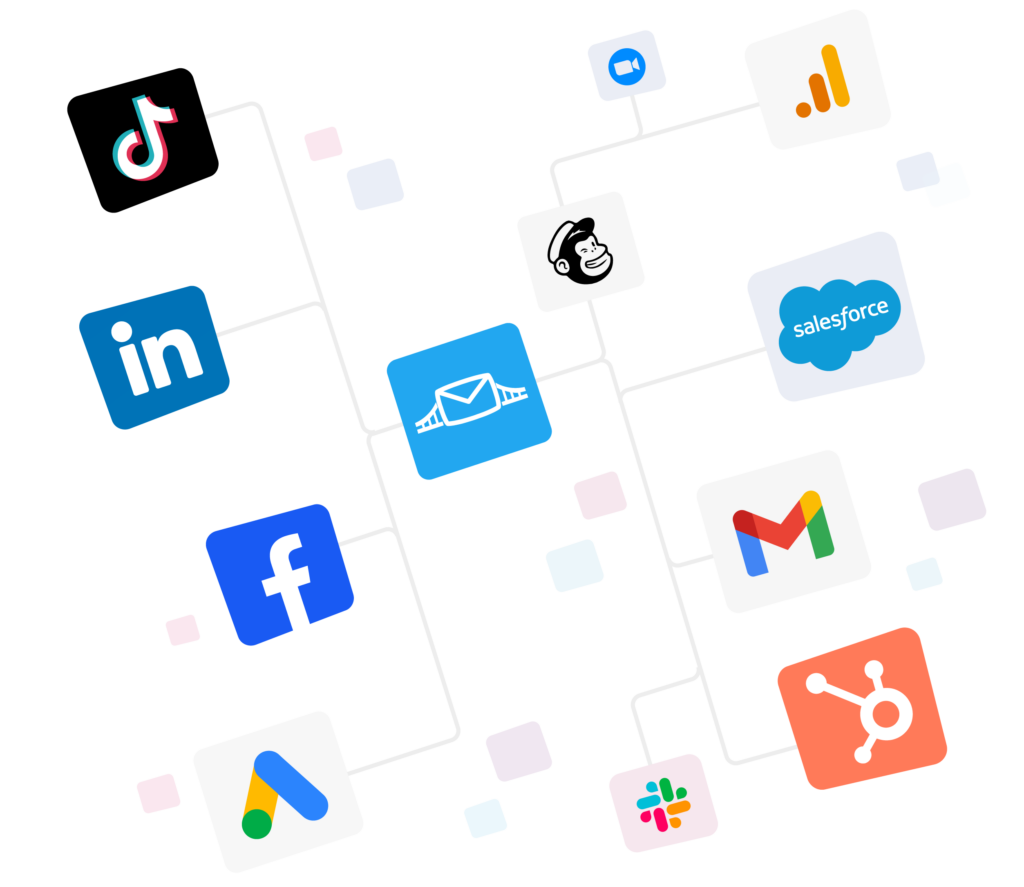
Streamlining your marketing efforts guarantees you are reaching your audience with the right message at the right time. LeadsBridge offers powerful integrations that can help you automate your automotive marketing processes.
Here are the top integrations any automotive business needs:
1. VinSolutions
- Features: Data syncing, lead follow-up, pipeline tracking, remarketing campaigns, and secure storage of sensitive information like driver’s licenses.
- Integration: Works with tools like Facebook lead ads and JotForm for seamless data transfer.


2. elead
- Features: Marketing, sales, communication tools, follow-up scheduling, and task assignment.
- Interface: Though slightly dated, it covers primary dealership needs and integrates with platforms like Facebook ads.
3. DealerSocket
- Features: Inventory management, CRM, marketing, digital retail, and data mining for high-quality leads.
- Customization: Configure to specific dealership needs with secure data storage and streamlined workflows.

If you finance or lease vehicles, you’re likely covered by the FTC Safeguards Rule. That means you need strong controls for the customer data you collect from lead ads, forms, and your CRM. Limit access, secure storage, and train staff.

In addition to these, LeadsBridge offers integrations for major auto dealer tools. Once you set up your automated data technology stack, you’ll get real-time lead syncing and data updates across multiple platforms.
Instagram social media marketing for automotive
Instagram is a visual platform. It allows you to showcase your vehicles and dealerships in a captivating way. Given that your content is attractive enough, you can draw in potential buyers while building a strong online presence.

Here are some tips for having a successful Instagram presence:
High-quality visuals are a must
Post high-resolution photos and videos of your inventory. Use Instagram Stories and Reels to show behind-the-scenes footage, customer testimonials, and special promotions.
Here are our top picks of evergreen events you can use for your dealership all year long.
Be hands-on when engaging with your audience
Respond to comments and messages as soon as you can. And use polls, Q&A sessions, and interactive stickers to engage with your followers.
Use hashtags strategically
Incorporate popular automotive hashtags to increase the visibility of your posts. Research and use a mix of broad and niche-specific hashtags. Some examples include:
#CARSOFINSTAGRAM – 110M+ posts
#CARS – 89M+ posts
#CARPORN – 41M+ posts
Leverage Instagram’s advertising features
Another way to multiply your Instagram impact is to collaborate with local creators. Running social media campaigns with influencers can deliver authentic UGC—walkarounds, test-drives, and Q&As—that boost trust and drive qualified traffic to your VDPs. Have creators tag your dealership, use event-specific hashtags, and capture vertical video you can reuse in Reels and Story ads. Track results with UTMs, retarget viewers who watched 50%+ of videos, and sync those engagement events to your CRM via LeadsBridge to nurture high-intent shoppers.
Instagram is more than just a platform for gaining organic traction. Use Instagram Story ads with engaging videos to attract leads and sales for your car dealership. Showcase your stock or highlight your best vehicles to grab attention.
Also, create Instagram feed ads with eye-catching images and vibrant text to make users stop scrolling and engage, boosting leads and sales for your dealership.
Takeaways
Implementing these three automotive social media marketing strategies can significantly enhance your automotive business’s online presence and drive more sales. By using Meta’s extensive advertising features and automating your processes with LeadsBridge, you’ll be well on your way to achieving your marketing goals.